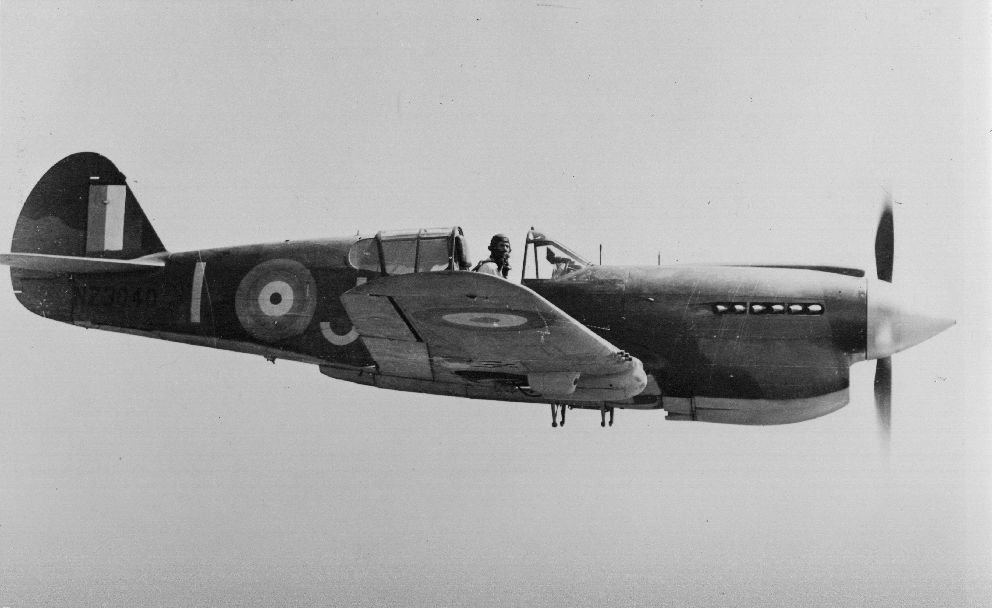
Sergeant Kenneth Busch - Last RNZAF P-40 Bailout Over Pacific
A personal account from the last RNZAF pilot to successfully bail out of a P-40 on operations: SGT KENNETH W J BUSCH
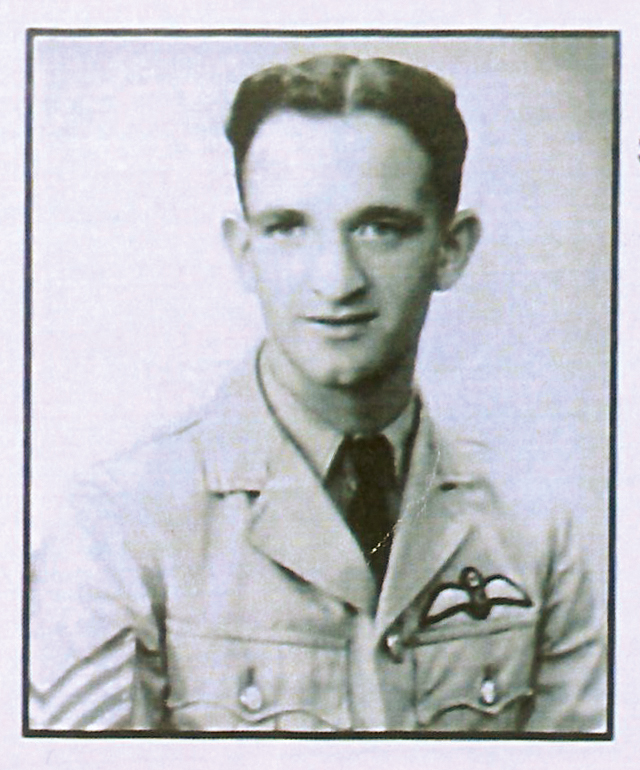
Halfway through his first tour of duty, Ken was bombing a Japanese supply area north of Kahili airfield when his P-40 was hit by anti-aircraft fire. Ken takes up the story:
“At about 1000ft I dropped my bomb and headed out to sea. The ack ack must have caught me, for the cockpit was getting very warm and the oil gauge was showing hot. When I saw flames coming from the motor cowlings, I realised my Warhawk was on fire! Then the pilot in the plane behind me reported fuel escaping from my aircraft. I immediately commenced a steady climb, ascending to 1500ft as I headed along the rocky coast.
I turned off the petrol and ignition, disconnected the helmet leads and the harness and pushed back the canopy. I trimmed the aircraft nose-heavy, maintaining altitude with the control column. Once the motor cut, I had limited time to bail out. The procedure was to hold the stick back, then push forward and the momentum of the plane should throw me free. My speed was too slow, I kicked myself clear from the cockpit, but as I came free, I was hit by the tailplane. Once clear, I pulled the ripcord and within seconds the parachute was open. I looked down and saw my P-40 enter the calm water and watched as the sea lazily closed in to obscure it forever.
Suspended under the chute I observed the enemy positions. They appeared too close for comfort, but as I descended, I realised the rocks along the coast would give me protection. I hit the water with a splash, inflated the small dinghy attached to me and clambered on board.
The rest of my section, while concentrating on the Japanese positions, kept a good eye on me... Geoff Hyatt flew low over me and dropped something from his cockpit. It fluttered down onto the water quite close. I paddled over. Wrapped inside a handkerchief were some life-saver sweets. That cheered me up no end. As fuel became low, my squadron returned to base, but other planes came to give me continued protection.
Unknown to us, the US Navy positioned patrols boats in close proximity to where we were operating. Within an hour, a PT boat Janey 1 roared towards me, saw my position and that I was OK, dropped off a sailor with a cork mat and without stopping, pursued a zig zag course out to sea. The sailor dragged me and my dinghy onto the mat. Janey 1 returned, changing course in a practiced evasive manner as it closed in on us. Gun fire was still evident, but no shells were falling in the rescue area. The PT boat made the pick-up without stopping and we were hauled out to sea at high speed, almost being drowned in the process. I admired the courage of those sailors who rescued me.
After a pilot has bailed out, he must be back in the air within 24 hours... Following stringent tests, the next morning I took part in a routine flight to Rabaul and return via Green Island, which was sufficient to restore my confidence in this ever-dangerous game”.
Ken Busch. (Excerpt from War in the Pacific article)
Ken later transferred to 22nd Squadron flying Corsairs. He completed three tours of duty and was released in May 1945, a fortnight before his 21st birthday.
Keep Up-to-Date with Omaka Aviation Heritage Centre on Our Instagram
Discover Aviation History Like Never Before
Experience the wonder of WW1 and WW2 aircraft and the stories behind them at Omaka Aviation Heritage Centre. Open 7 days, 9am–4pm, at 14 Rosina Corlett Lane, Omaka, Blenheim. Every visit supports the growth of this world-class destination.
.avif)